What Is a Fire Retardant Tarpaulin?
A fire retardant tarpaulin is a heavy-duty protective sheet manufactured from fabric that has been chemically treated or inherently engineered to resist ignition, limit flame spread, and self-extinguish once the ignition source is removed. Unlike standard polyethylene or canvas tarps, which can ignite readily and contribute fuel to a fire, fire retardant (FR) tarpaulins are designed to slow combustion significantly — buying critical time for evacuation, suppression, and damage limitation. They are a mandated safety component on construction sites, event structures, film and television sets, military installations, and industrial facilities across many countries.
It is important to understand the distinction between fire retardant and fireproof. No tarpaulin material is truly fireproof — sustained exposure to extreme heat will eventually cause any organic or polymer-based fabric to degrade. Fire retardant tarpaulins are engineered to meet defined performance thresholds under standardized test conditions, not to survive indefinite flame exposure. This distinction matters when specifying FR tarps for regulatory compliance and when communicating risk to end users.
How Fire Retardant Treatment Works
Fire retardancy in tarpaulins is achieved through two fundamentally different manufacturing approaches: applied chemical treatment and inherently flame-resistant base materials. Each has distinct performance characteristics and longevity profiles that affect suitability for different applications.
Applied Chemical Treatment
In this approach, a standard woven base fabric — typically polyester, polypropylene, or cotton — is coated or impregnated with a flame-retardant chemical compound after weaving. Common chemical systems include phosphorus-nitrogen compounds, halogenated compounds (though these are increasingly restricted in many markets due to environmental and health concerns), and inorganic systems based on aluminum hydroxide or antimony trioxide. These chemicals work by interfering with the combustion chain reaction: some release water vapor or non-combustible gases when heated, diluting the flammable gases around the flame; others form a protective char layer on the fabric surface that insulates the underlying material from heat.
The primary limitation of applied chemical treatment is durability. Repeated exposure to rain, UV radiation, mechanical abrasion, and washing gradually depletes the retardant chemicals from the fabric surface, reducing FR performance over time. For temporary or single-use applications — event marquees, construction hoarding, debris containment — this limitation is generally acceptable. For permanent or long-term installations, inherent FR materials are the more appropriate specification.
Inherently Flame-Resistant Materials
Some base materials possess flame resistance as a fundamental property of their molecular structure, without requiring post-production chemical treatment. PVC-coated polyester tarpaulins are the most commercially significant example in the FR tarpaulin market: the PVC coating itself contains flame-retardant plasticizers (typically antimony trioxide combined with chlorinated compounds) incorporated during compounding, meaning the FR performance is an intrinsic part of the material rather than a surface treatment. Glass fiber fabrics and high-silica fabrics represent the upper end of inherent FR performance, capable of withstanding direct flame exposure at temperatures exceeding 500°C, though these materials are heavier and less flexible than polymer-based tarps.
Key Fire Retardant Standards and Certifications
Regulatory compliance is central to FR tarpaulin specification. Purchasing a tarp described as "fire retardant" without verified certification against a recognized standard provides no meaningful safety assurance. The following standards are the most widely referenced in procurement specifications globally:
| Standard |
Region |
Application Scope |
| BS 7837 |
UK |
Tarpaulins and temporary structures |
| EN 13501-1 |
Europe |
Building products reaction-to-fire classification |
| NFPA 701 |
USA |
Fabrics used in tents, awnings, and temporary structures |
| DIN 4102-B1 |
Germany |
Flame-retardant building materials classification |
| AS/NZS 1530.2 |
Australia / NZ |
Flammability testing of fabrics and coverings |
| GB/T 17591 |
China |
Flame-retardant fabrics for industrial and commercial use |
When procuring FR tarpaulins for regulated environments — particularly construction sites, public events, or any application governed by building control or health and safety legislation — always request the test certificate, test report number, and the name of the accredited test laboratory. Certificates should specify the exact product tested (including weight, coating, and color), as FR performance can vary between versions of the same product line. Be particularly cautious with online suppliers who list compliance claims without supporting documentation.
Types of Fire Retardant Tarpaulin by Material
Material selection determines not just FR performance but also weight, flexibility, UV resistance, water resistance, and cost. The four most commercially important FR tarpaulin materials each suit a different range of applications.
FR PVC-Coated Polyester Tarpaulin
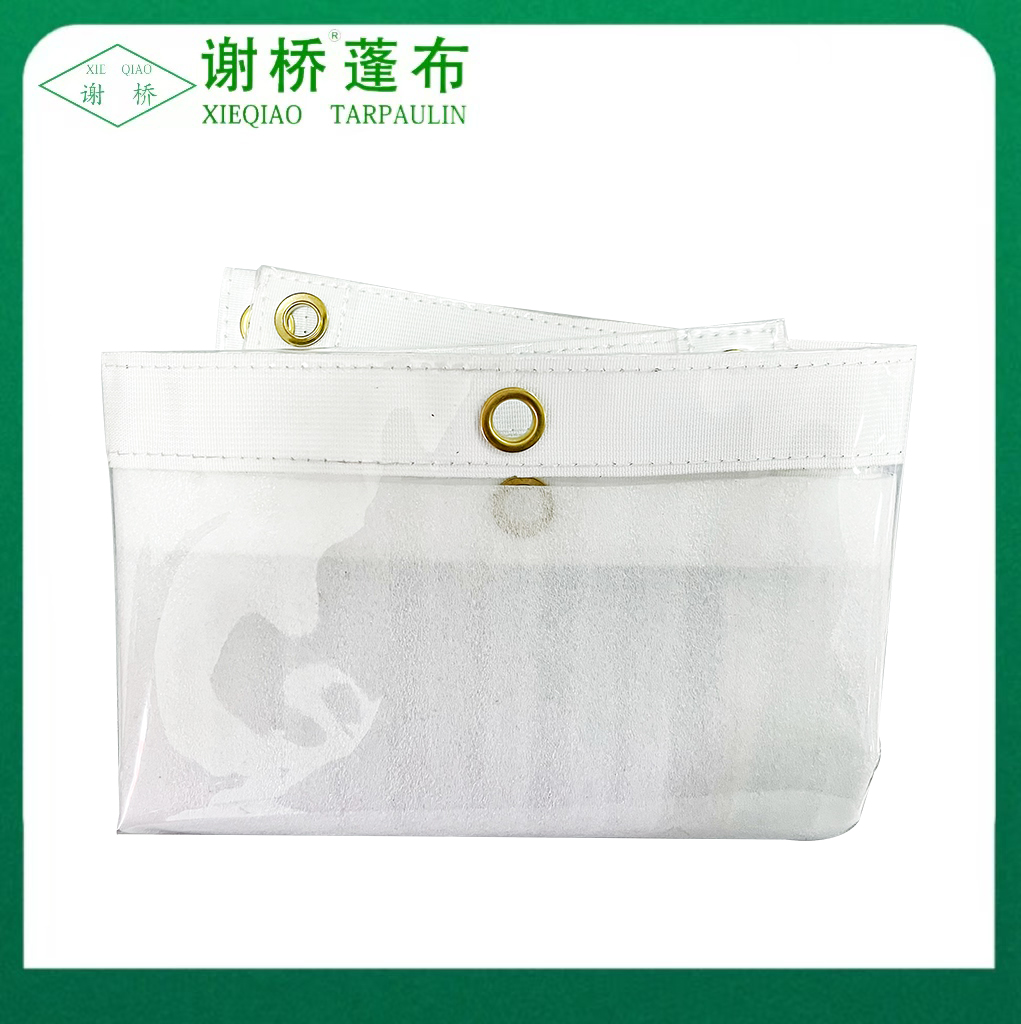
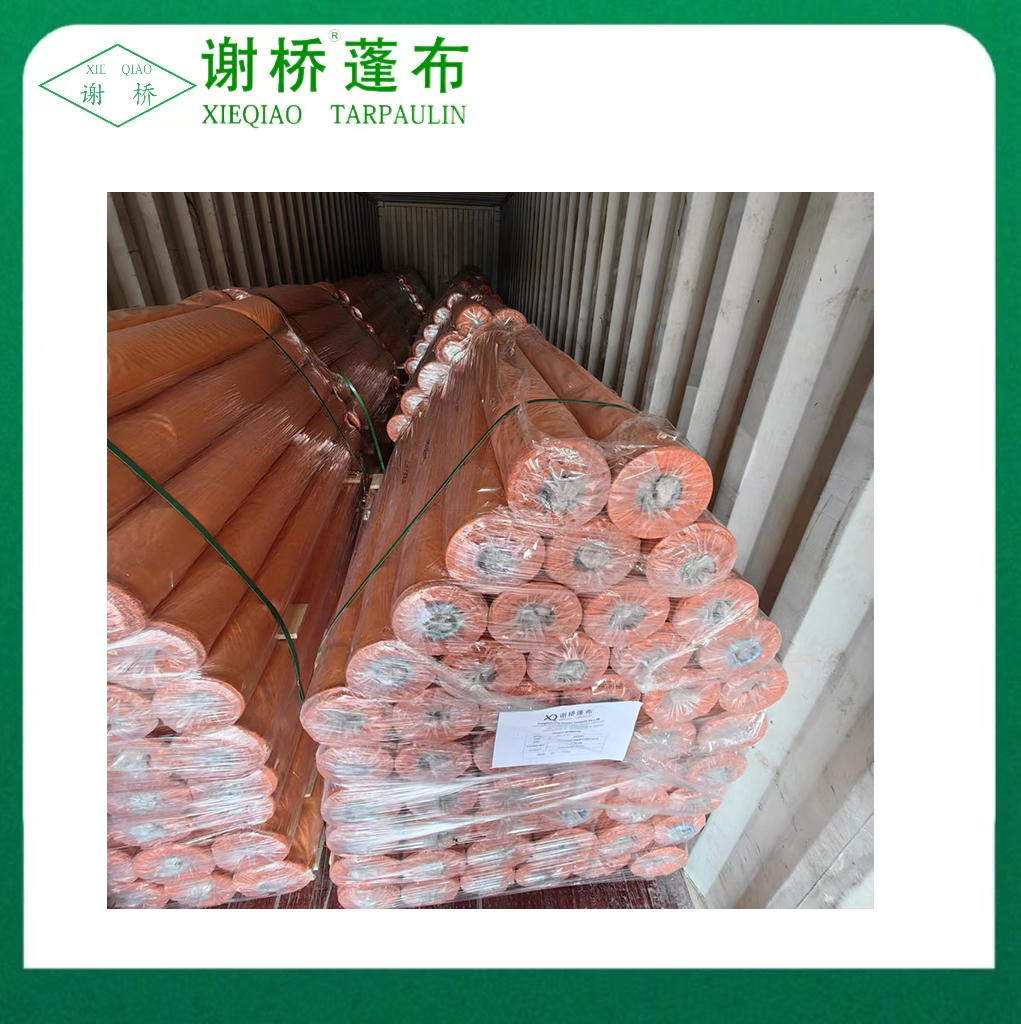
This is the dominant material in the commercial FR tarpaulin market. A high-tenacity polyester scrim is coated on both sides with fire-retardant PVC compound, producing a waterproof, UV-stable, dimensionally stable sheet that is available in weights from 450 gsm to over 900 gsm. FR PVC tarpaulins are used for construction site enclosures, scaffold sheeting, truck covers, event flooring underlays, and temporary storage covers. They weld cleanly with hot-air or high-frequency welding equipment, allowing fabrication into custom shapes and sizes. Standard colors include white, grey, blue, and green, with white being preferred where light transmission into temporary structures is desired.
FR Canvas and Cotton Tarpaulin
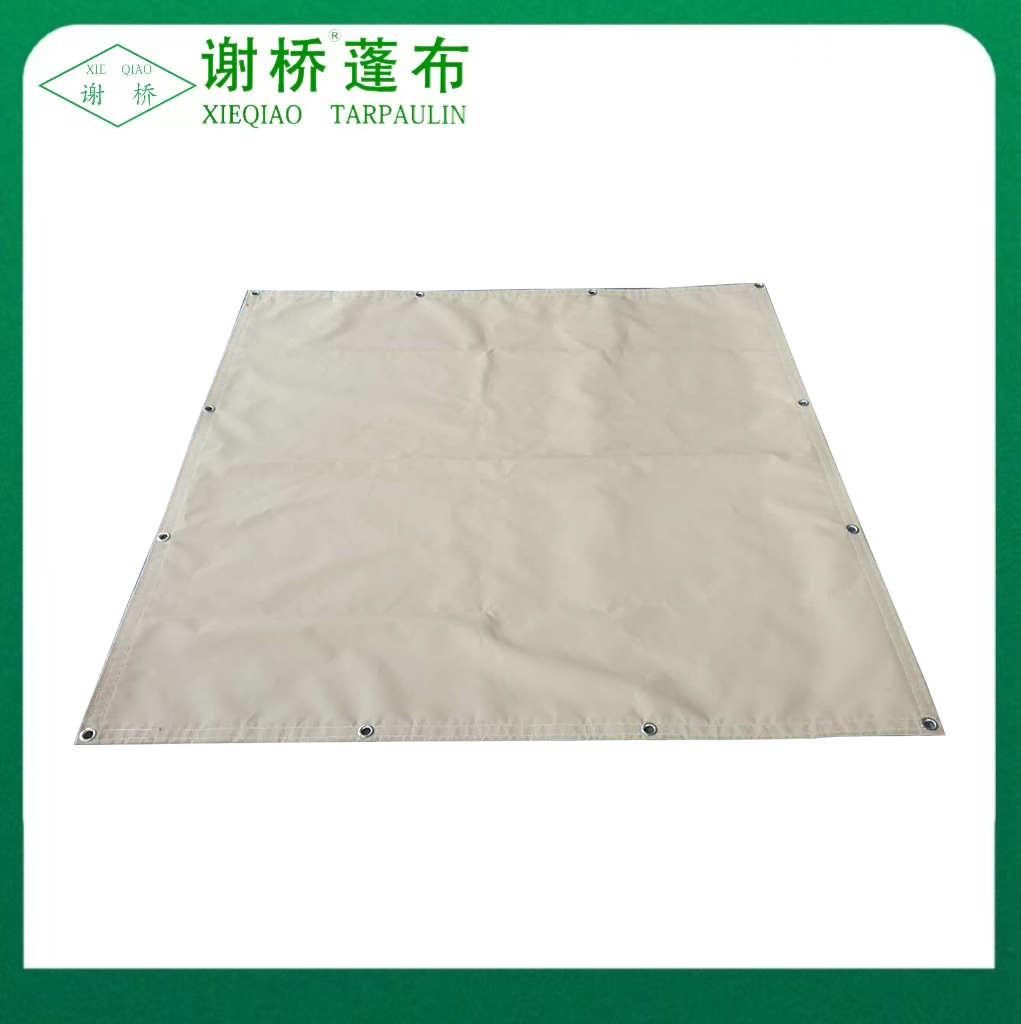
Natural cotton canvas treated with phosphate-based FR chemicals offers a breathable, flexible tarpaulin that does not generate toxic smoke when exposed to flame — a significant advantage in occupied or enclosed environments. FR cotton tarps are used in theatrical and film production (where non-toxic smoke generation is a production requirement), military equipment covers, and restoration or renovation projects where breathability prevents moisture entrapment against sensitive substrates. The trade-off is lower water resistance compared to PVC options and reduced FR durability after prolonged outdoor exposure.
FR Polypropylene Tarpaulin
Woven polypropylene tarps with FR treatment are a lightweight, economical option used widely in agriculture, logistics, and temporary weather protection where cost sensitivity is high. FR polypropylene offers adequate performance for lower-risk applications but does not achieve the same level of FR classification as PVC-coated or glass fiber products, and the FR treatment is generally less durable than inherently FR materials. These tarps are typically specified where flame retardancy is a precautionary requirement rather than a strict regulatory mandate.
FR Glass Fiber Tarpaulin
At the high-performance end of the spectrum, glass fiber tarpaulins offer exceptional temperature resistance — typically rated to continuous service at 260°C and intermittent exposure above 500°C. They are used as welding blankets, furnace curtains, engine bay covers, and fire barrier curtains in industrial environments where other tarpaulin materials would fail. Glass fiber tarps are heavier and less flexible than polymer alternatives and require careful handling to avoid skin irritation from loose glass fibers, but they provide a level of protection no organic or polymer-based material can match.
Primary Applications of Fire Retardant Tarpaulins
- Construction and scaffolding: FR scaffold sheeting is a legal requirement on many construction projects in the UK, EU, and elsewhere. It prevents sparks from cutting, grinding, or welding operations from igniting debris below, and limits fire spread if a site fire occurs during out-of-hours periods.
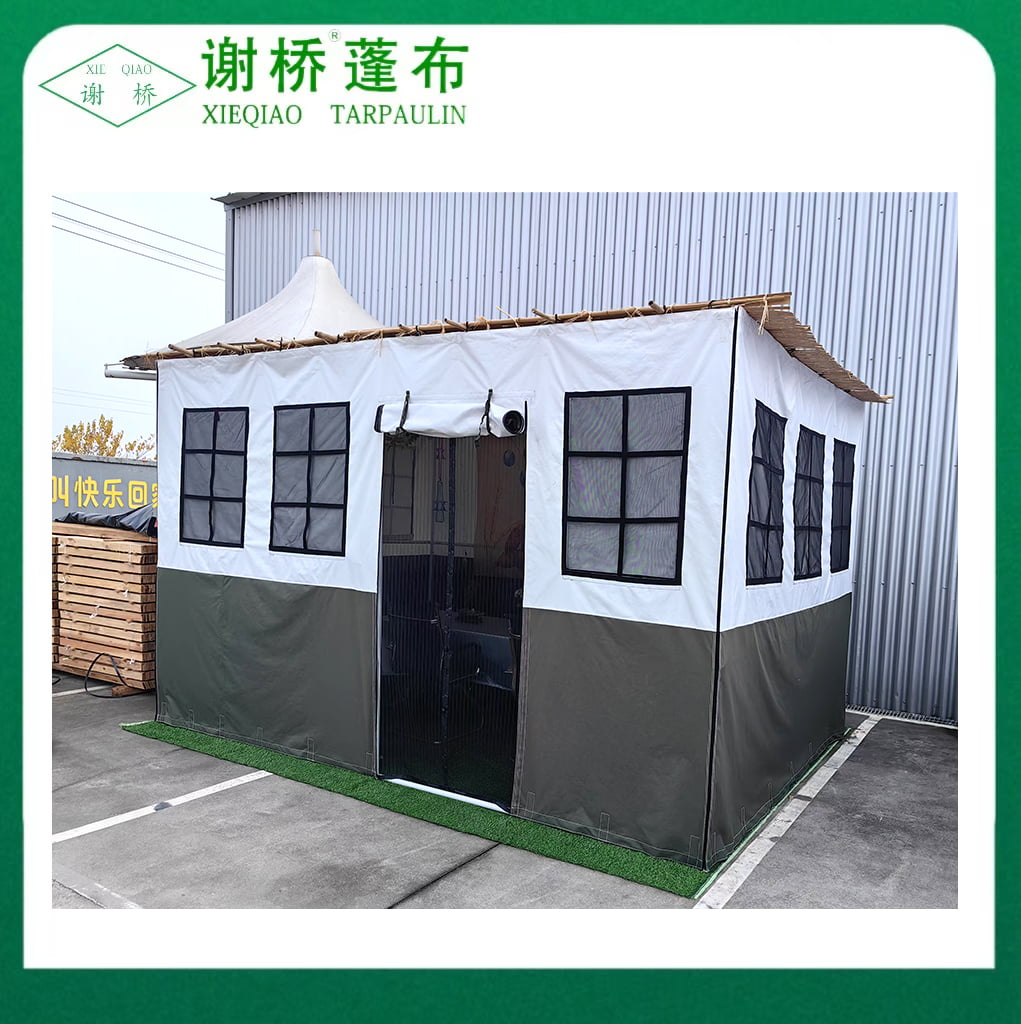
- Events and temporary structures: Festival tents, exhibition pavilions, marquees, and stage canopies used in public gatherings are subject to fire safety regulations that mandate FR-certified fabric. Local fire authorities typically require FR certification documentation before issuing event licenses.
- Military and emergency services: FR tarps are used for equipment covers, field shelters, casualty collection points, and fuel storage covers in military logistics. The combination of FR performance, durability, and deployability makes PVC-coated and canvas FR tarps standard items in defense supply chains.
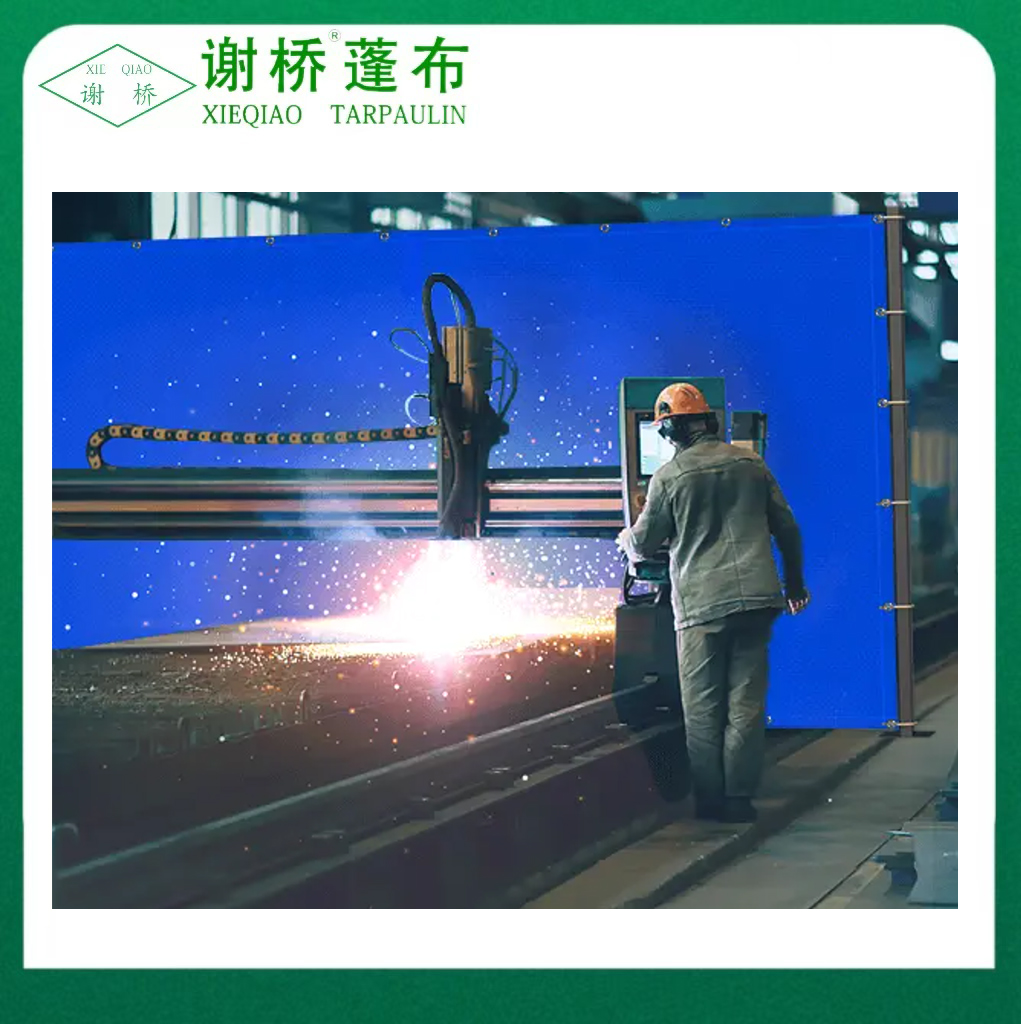
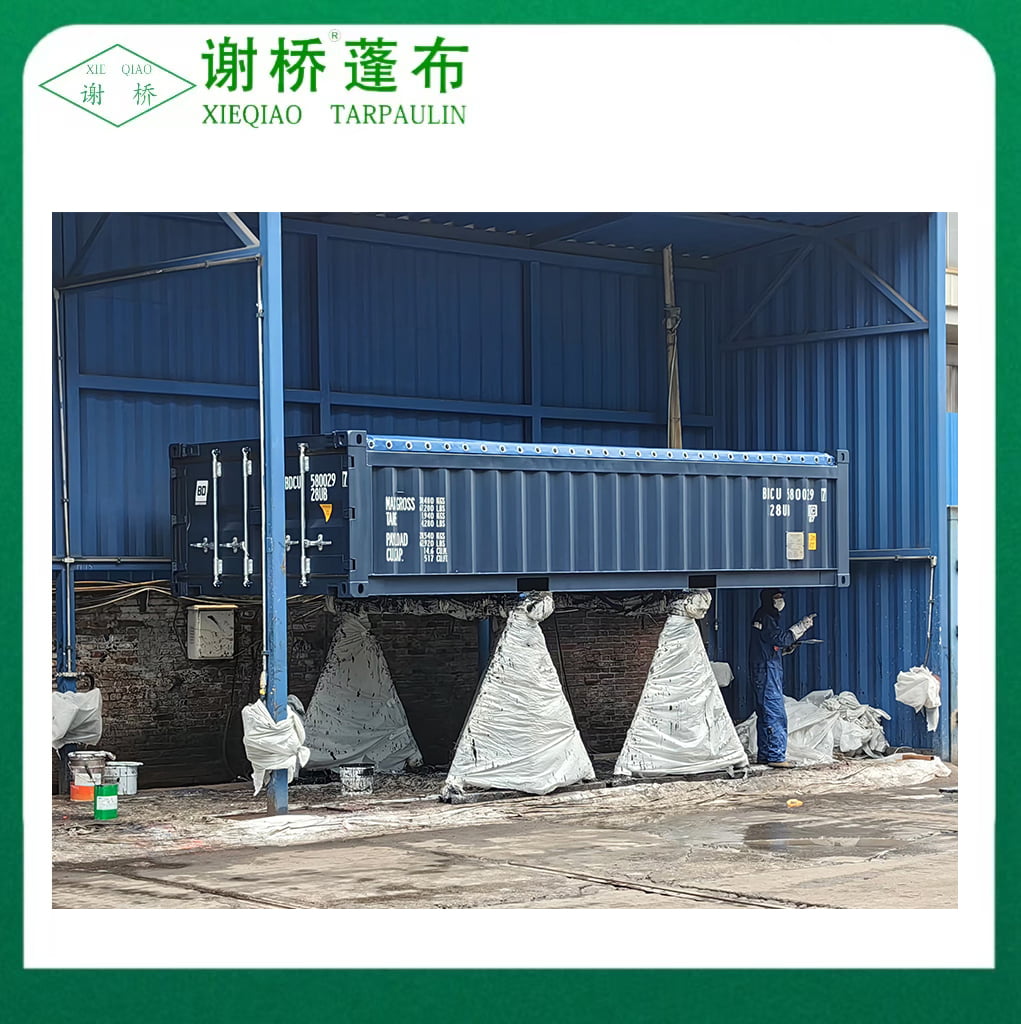
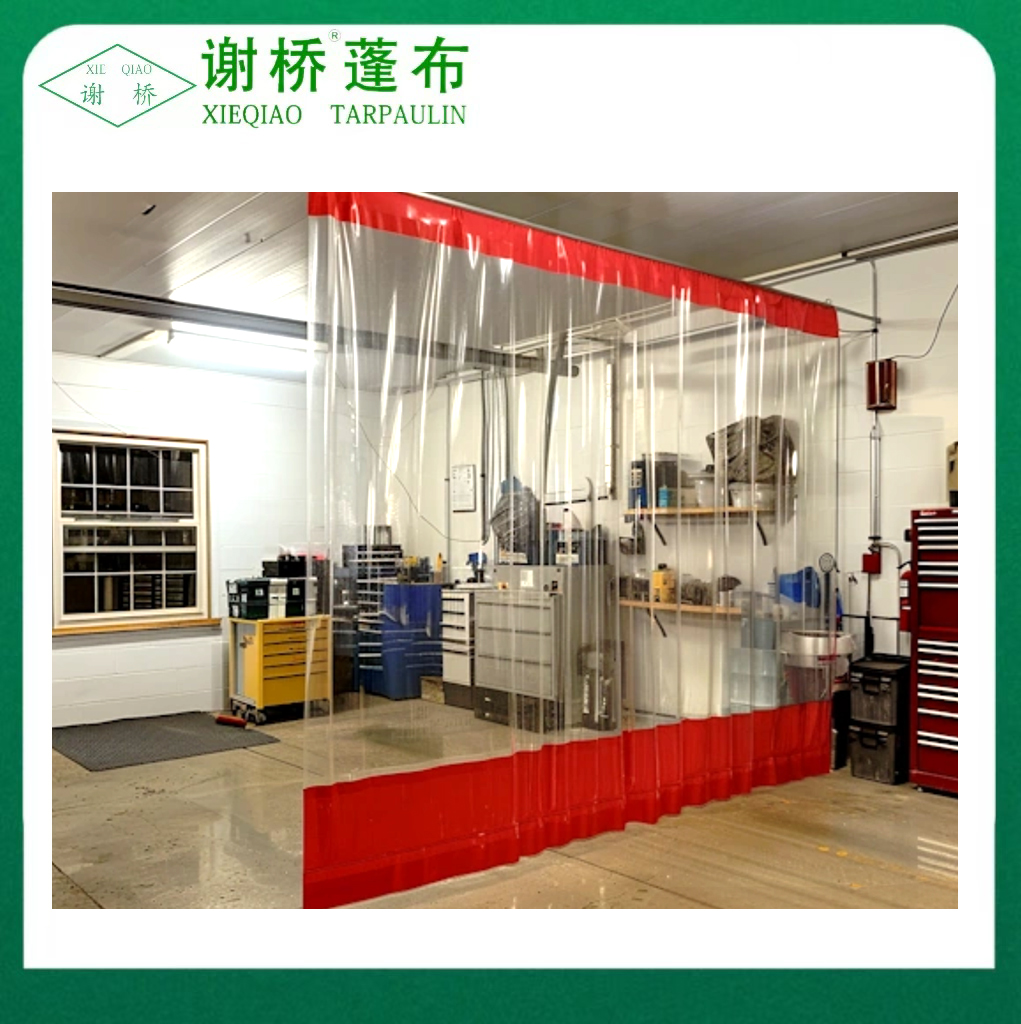
- Industrial welding and hot work: Glass fiber and heavy-duty FR PVC tarps are deployed as spark containment screens, weld curtains, and equipment protection covers in fabrication workshops, shipyards, and oil and gas facilities.
- Transport and logistics: FR truck curtains and container covers protect cargo from both weather and fire risk during transit, particularly for loads classified as flammable or heat-sensitive under transport regulations.
How to Select the Right Fire Retardant Tarpaulin
Selecting the correct FR tarpaulin requires matching five key parameters to the specific application: the regulatory standard required, the required weight and strength, the environmental exposure conditions, the need for additional performance properties, and the expected service duration.
Begin by identifying which FR standard applies to your project or jurisdiction — this determines the minimum performance threshold the tarp must meet and whether certification evidence will be required by a regulator or client. Next, consider the mechanical demands: a scaffold sheeting application subject to high wind loading needs a heavier GSM with reinforced hems and eyelets at close spacing, while a welding blanket needs heat resistance rather than tensile strength. For outdoor applications lasting more than a few weeks, UV stabilization of the base fabric and coating is essential to prevent degradation that would compromise both FR performance and structural integrity. If the tarp will be used in an occupied space where fire could generate inhalation risk, low-smoke and low-toxicity (LSLT) rated materials should be specified — standard PVC generates hydrogen chloride gas when burned, which is a significant respiratory hazard in enclosed environments.
Finally, balance initial cost against total cost of ownership. A higher-quality FR PVC tarp with certified inherent flame retardancy may cost two to three times more than a treated polypropylene alternative, but if it lasts three to four times longer in service, provides reliable regulatory compliance, and eliminates the cost of re-testing or replacement due to FR treatment degradation, the lifecycle economics favor the premium product. Always request product data sheets, FR test certificates, and GSM verification before committing to large-volume purchases.